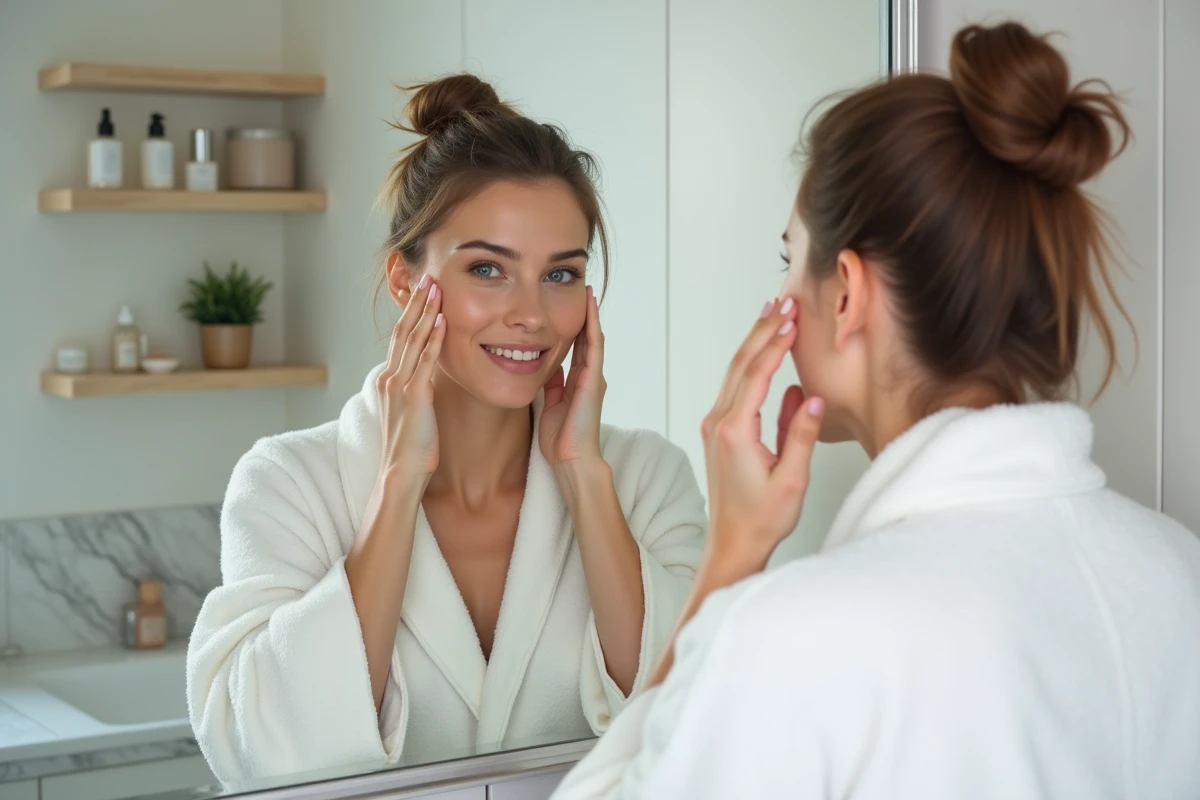
The European cosmetics market is undergoing a period of accelerated restructuring. Regulations on greenwashing, new packaging obligations, and the arrival of artificial intelligence in skin diagnostics are redefining what it means to “take care of your skin” on a daily basis. The beauty trends that are emerging are no longer solely dictated by social media: they also respond to a stricter legal framework and precise transparency expectations articulated by consumers.
European Regulation and the End of Vague Beauty Claims
The European regulation against greenwashing, adopted as part of the Green Deal, now requires cosmetic brands to substantiate any environmental or health claims with measurable data. Terms like “clean,” “non-toxic,” or “chemical-free,” which have long been used as selling points, must be proven or removed.
This regulatory constraint has a direct effect on beauty routines. Lengthy formulas, with endless ingredient lists meant to reassure, are losing their marketing utility. The brands that survive this filter are those capable of documenting the actual effectiveness of each active ingredient.
To track these developments product by product, the beauty section of Masca Online lists the launches and reformulations accompanying this regulatory shift.
The observable result on the shelves: shorter routines focused on a few proven actives, rather than sequences of eight or ten layered products. “Skinimalism” is no longer an aesthetic choice; it is a direct consequence of the tightening of rules.

Refillable Packaging: Legal Obligation or Marketing Argument
The European Regulation on packaging and packaging waste sets, starting in 2030, goals for reduction, recyclability, and reuse that directly concern cosmetic products. Refillable bottles, solid sticks, refillable makeup palettes: these formats are moving out of the niche segment to become an industrial standard.
The question consumers face is one of real cost. A refillable bottle often costs more at the initial purchase, even though the unit refill is cheaper. The savings are only verified after several refill cycles, which few brands communicate clearly.
Criteria for Evaluating a Refillable System
- The refill must be available over time, not just at launch. Some brands abandon refills after a few seasons, rendering the bottle unusable.
- The refill mechanism must not compromise product preservation. A facial care product exposed to air with each refill loses stability.
- The price of the refill must represent a significant reduction compared to the complete product, not just a symbolic discount.
Field reports vary on this point: some brands observe a high refill repurchase rate, while others find that consumers buy the refillable bottle and then revert to the classic format for convenience.
Hybrid Makeup-Skincare Products: What the Formulas Really Contain
The rise of hybrid skincare, these makeup products infused with skincare actives, is one of the most visible beauty trends. Foundations enriched with hyaluronic acid, collagen lipsticks, peptide BB creams: the promise is twofold, to beautify and treat simultaneously.
The concentration of actives often remains insufficient for a real skincare effect. A foundation containing hyaluronic acid at the end of the INCI list (the mandatory ingredient nomenclature) contains a negligible amount. The hydrating effect then comes more from the emollient base of the product than from the highlighted active.
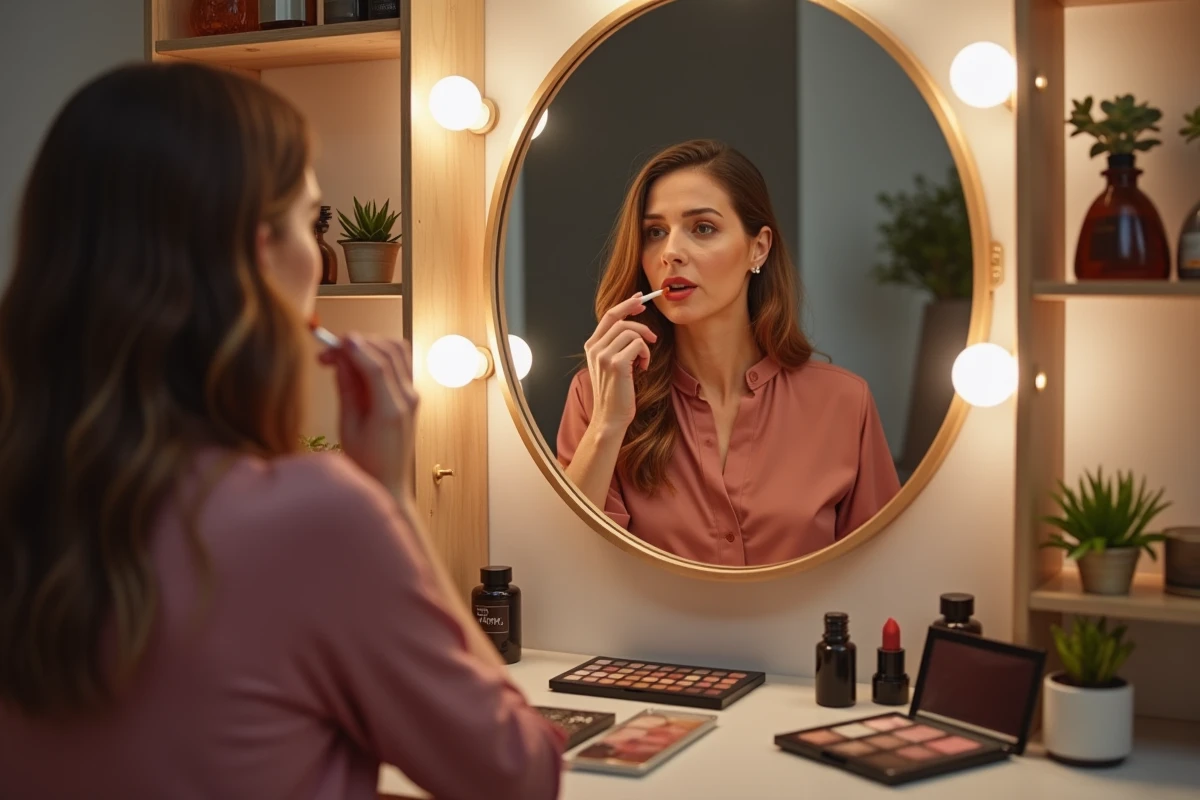
This observation does not disqualify all hybrid products. Some formulas incorporate sunscreen filters at real protection levels, or antioxidants in sufficient concentration to limit skin oxidative stress. Reading the INCI list, and especially the position of the active in that list, remains the only reliable indicator.
Natural Alternatives to Retinol for Sensitive Skin
Among the actives gaining visibility in hybrid skincare, bakuchiol appears as a plant-based alternative to retinol. Brands present it as equally effective but better tolerated by reactive skin.
Bakuchiol acts on biological pathways different from retinol, which limits direct comparison between the two actives. Its main interest lies in its better tolerance, not in comparable anti-aging potency. Consumers with sensitive skin find it a viable option, provided they do not expect the same results as a dermatologist-prescribed retinoid.
Skin Diagnosis by Artificial Intelligence: Personalization or Data Collection
The integration of generative AI into skin diagnostic tools now goes beyond simple online quizzes. Several cosmetic brands offer facial analyses via camera that assess hydration, wrinkles, pigmentation spots, and recommend a personalized routine.
The reliability of these diagnostics varies significantly from tool to tool. A selfie taken under different lighting conditions produces different results. The final recommendation almost systematically directs towards the products of the brand offering the tool, raising questions about the objectivity of the diagnosis.
- Check if the tool allows exporting results without a purchase obligation.
- Compare the AI diagnosis with a dermatological opinion for real skin issues (acne, rosacea, eczema).
- Read the terms of use regarding the storage and use of submitted facial photos.
The algorithmic personalization of beauty routines responds to a real demand. However, the business model of these tools relies on commercial conversion, not medical advice. This distinction should be kept in mind before entrusting one’s face to an application.
Current beauty trends are being shaped as much in formulation laboratories as in European regulatory texts. Reading INCI lists and verifying claims remain, for consumers, more useful reflexes than following advertising campaigns.