
The Yamaha TMAX 530 accepts several fuels available at the station, but the choice between SP95, SP95-E10, and SP98 does not produce the same effects on the twin-cylinder engine. Yamaha’s technical documentation recommends a minimum octane rating of 95 RON, which opens the door to three types of unleaded fuel. It remains to be seen which one to prioritize based on your actual usage, the frequency of your trips, and the storage conditions of the scooter.
Ethanol Content and Engine Compatibility of the TMAX 530
The most common confusion among TMAX 530 owners revolves around ethanol. Classic SP95 (known as E5) contains up to 5% ethanol, while SP95-E10 contains up to 10%. This difference in composition raises concerns, particularly due to conflicting feedback on forums.
Since 2023, Yamaha Europe specifies in the TMAX 530 manuals that Euro 4/Euro 5 injection and catalyst models accept SP95-E10 without impacting reliability, provided the scooter is used regularly. The electronic injection system automatically adjusts the air-fuel mixture to compensate for the ethanol content. Therefore, there is no mechanical incompatibility with a well-maintained TMAX 530 that is frequently used.
As SalonAuto Monaco according to CarburAuto reminds us, the question of fuel compatibility often arises among GT scooter owners. The technical answer is clear: the TMAX 530 handles both E5 and E10 well under normal usage conditions.
The problem arises elsewhere. Ethanol is hygroscopic: it absorbs ambient moisture. On a scooter that remains in the garage for several weeks, the ethanol-laden fuel degrades more quickly. Several tests published by French motorcycle magazines between 2022 and 2024 show that storage periods longer than two or three months with E10 increase the risks of restart difficulties and slight corrosion in the fuel system.
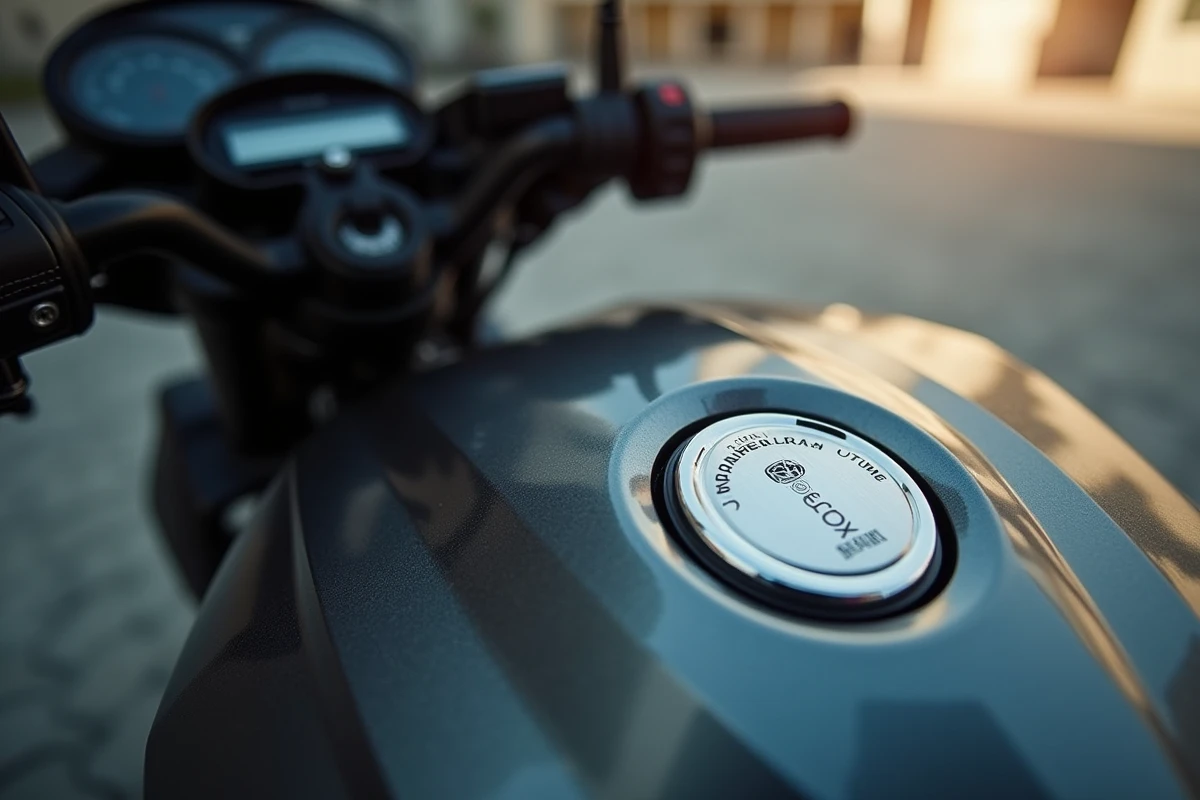
SP95, SP95-E10, SP98: Which Fuel to Choose for Daily Use
For a TMAX 530 used for commuting or regular riding, SP95-E10 does the job perfectly. Independent tests confirm that alternating between SP95-E5 and SP95-E10 over several thousand kilometers generates neither misfires nor starting problems on modern scooters, including the TMAX 530.
SP98, with its higher octane rating, remains an option. But Yamaha’s technical data is clear on this point: SP98 does not provide any measurable gain in power or consumption on an engine designed to run on 95 RON. The extra octane does not translate into additional performance; it translates into extra cost at the pump.
The price difference between SP95-E10 and SP98 represents several cents per liter. Over a year of urban and suburban riding, the cumulative gap is not negligible for a zero engine benefit. Some users claim to feel better smoothness with SP98, but no instrumented tests confirm this perception on the TMAX 530.
Special Case of Seasonally Used Scooters
If you only ride on nice days and your TMAX 530 remains stationary for several months in winter, the situation changes. Classic SP95 (E5), with its lower ethanol content, stores better in the tank. Favoring E5 for the last fill-up before a long immobilization limits the risk of deposits and corrosion in the system.
Another often-overlooked precaution: fill the tank to the maximum before storage. A full tank reduces the volume of air (and thus moisture) in contact with the fuel. Adding a fuel stabilizer can also extend the shelf life, but this falls under preventive maintenance rather than a fuel choice.
Euro Standards and the Evolution of Fuels for GT Scooters
The regulatory framework has evolved in recent years. The gradual implementation of Euro 5 standards for two-wheelers has pushed manufacturers, including Yamaha, to adapt their injection and pollution control systems. The latest generation TMAX 530s incorporate sensors and engine mapping calibrated to handle fuels containing up to 10% ethanol.
This manufacturer adaptation explains why E10 compatibility is now established on recent models, whereas it could have been questioned on older generations of TMAX. Models prior to Euro 4 injection warrant specific verification in the maintenance manual.
The European regulatory trend is towards a gradual increase in the ethanol content in fuels. The available data does not allow for conclusions about the long-term impact of E10 on the internal components of scooters, but the accumulated feedback over several years of use remains reassuring for TMAX 530 owners.
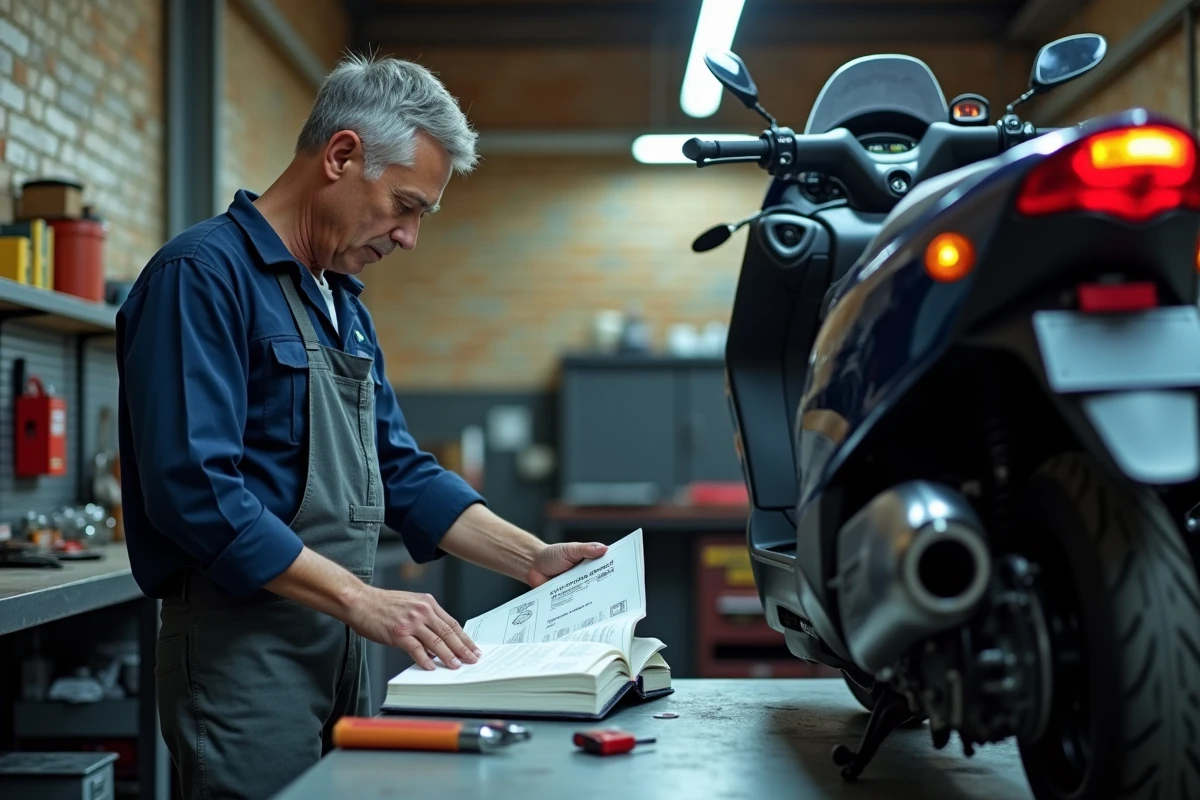
Concrete Selection Criteria Based on Your Riding Profile
Rather than choosing a fuel out of habit or conviction, here are the criteria that truly matter for a TMAX 530:
- Frequency of Use: daily or weekly riding, SP95-E10 is suitable without restriction. For prolonged immobilization, prefer classic SP95 (E5) for the last fill-up
- Performance Seeking: SP98 does not deliver any extra power on an engine calibrated to 95 RON. The price difference is not justified by a technical gain
- Model Year: TMAX 530 Euro 4 and Euro 5 are designed for E10. For older versions, check the manufacturer’s notice before switching to E10 for permanent use
- Weather Conditions: in humid areas or when parked outside, limit E10 during prolonged inactivity to protect the fuel system
The choice of fuel for a TMAX 530 boils down to a matter of usage, not perceived quality. SP95-E10 remains the most suitable and economical fuel for regular use. Classic SP95 takes over before a long winter break. No technical data justifies the extra cost of SP98 on this engine calibrated to 95 RON.