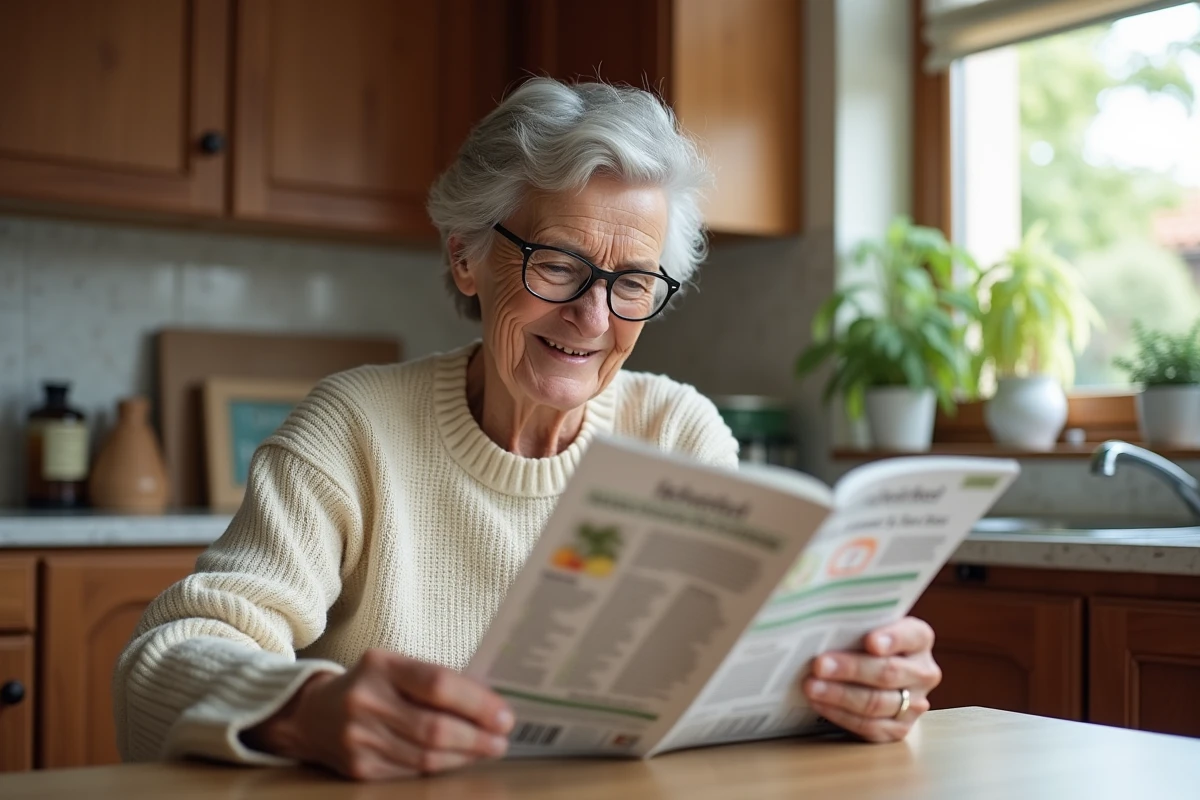
Pension benefits are evolving more slowly than the cost of living, leading to a decrease in purchasing power among those over 65. Administrative procedures are becoming more complex, even as new aids and programs emerge, often underutilized due to a lack of clear information.
Access to health, mobility, or digital services remains unequal, while solutions and support are rapidly diversifying. In the face of these changes, vigilance regarding rights, appropriate tools, and innovations is essential to anticipate needs and avoid common pitfalls.
What is changing for seniors: news, rights, and developments to know
New year, new rules: seniors are seeing their daily lives reshaped by reforms affecting retirement, financial aid, housing adaptation, not to mention the emergence of digital solutions for autonomy. Retirement is no longer just a stop: it is experienced as a full-fledged stage, where each administrative or technical evolution has concrete repercussions on everyday life.
The national solidarity fund for autonomy has revised the criteria for accessing the APA. From now on, obtaining this aid requires going through new steps, focused on a precise assessment of home needs. Digitalization is accelerating: forms are moving online, administrative follow-up is centralizing, forcing everyone to become familiar with digital tools. Teleassistance systems are expanding, offering security and responsiveness through connected devices and the rapid intervention of qualified professionals.
The issue of housing is becoming unavoidable. Adapting one’s home is now encouraged by specific financial support to prevent loss of autonomy and limit domestic accidents. Mobility is also transforming: adapted equipment, rethought transportation, everything is converging towards maintaining home living in safer conditions. Prevention campaigns, health workshops, and home assessments are intensifying, illustrating this shift towards anticipating risks.
To keep up with these developments, the Seniors des Infos website remains a treasure trove of information. Regulatory news, explanations of financial programs, practical advice for autonomy: each week, new files decode current events and analyze public decisions that shape the lives of seniors.
What advice for better daily living after 60?
Building a fulfilling life after 60 means focusing on simple, documented choices centered on preserving autonomy and well-being. The facts speak for themselves: integrating adapted physical activity into daily life acts as a real barrier against dependency. Walking, gentle gymnastics, aquagym: these regular practices limit falls, maintain mobility, and boost confidence.
A balanced diet makes a difference. Focusing on fruits, vegetables, quality proteins, and ensuring adequate hydration are habits that prevent aging-related issues. Vigilance extends to health: conducting regular check-ups, monitoring diabetes or hypertension, is key to maintaining control over one’s future.
The social connection must never weaken. Isolation is detrimental, while exchanges and meetings stimulate cognitive and emotional capacities. Workshops, book clubs, community activities: these gatherings promote mutual aid and break loneliness. Hobbies that engage memory or reflection slow the progression of diseases like Alzheimer’s or Parkinson’s.
Here are some concrete recommendations to integrate into your routine:
- Enhance prevention: organize home assessments, participate in health workshops, adapt your home for greater safety.
- Maintain memory through varied intellectual activities.
- Utilize local services to simplify procedures and improve daily safety.
Over the days, these gestures and habits shape a solid quality of life, tailored to each situation.

Resources and useful initiatives for seniors and their caregivers
Supporting seniors and those who assist them involves multiple aspects: access to information, home adaptation, administrative and moral support. Families share the responsibility, often discreet but heavy, of a daily life punctuated by procedures and anticipation in the face of loss of autonomy.
The Senior Guide of the Somme, published by the departmental council chaired by Christelle Hiver, has become a true reference point. It provides a comprehensive overview of solutions for healthy aging: home services, aid programs, advice for adapting housing, useful addresses to simplify seniors’ lives. Senior residences occupy a special place: they combine independence, safety, and friendliness while breaking isolation.
Caregivers find concrete answers in these resources: daily allowance, social support, guidance towards the right contacts. Community social action centers (CCAS) become valuable allies in advancing procedures, accessing aid, or organizing housing adaptation work.
Here is an overview of the available programs and solutions:
- Online services that simplify administrative management and daily procedures
- Clear information on rights, available aids, and safety issues
- Tailored support from professionals to guide and assist each situation
Thanks to these initiatives, solidarity takes on a new dimension: it reaffirms the place of seniors and their loved ones in society and empowers everyone to move forward together towards a more serene daily life.