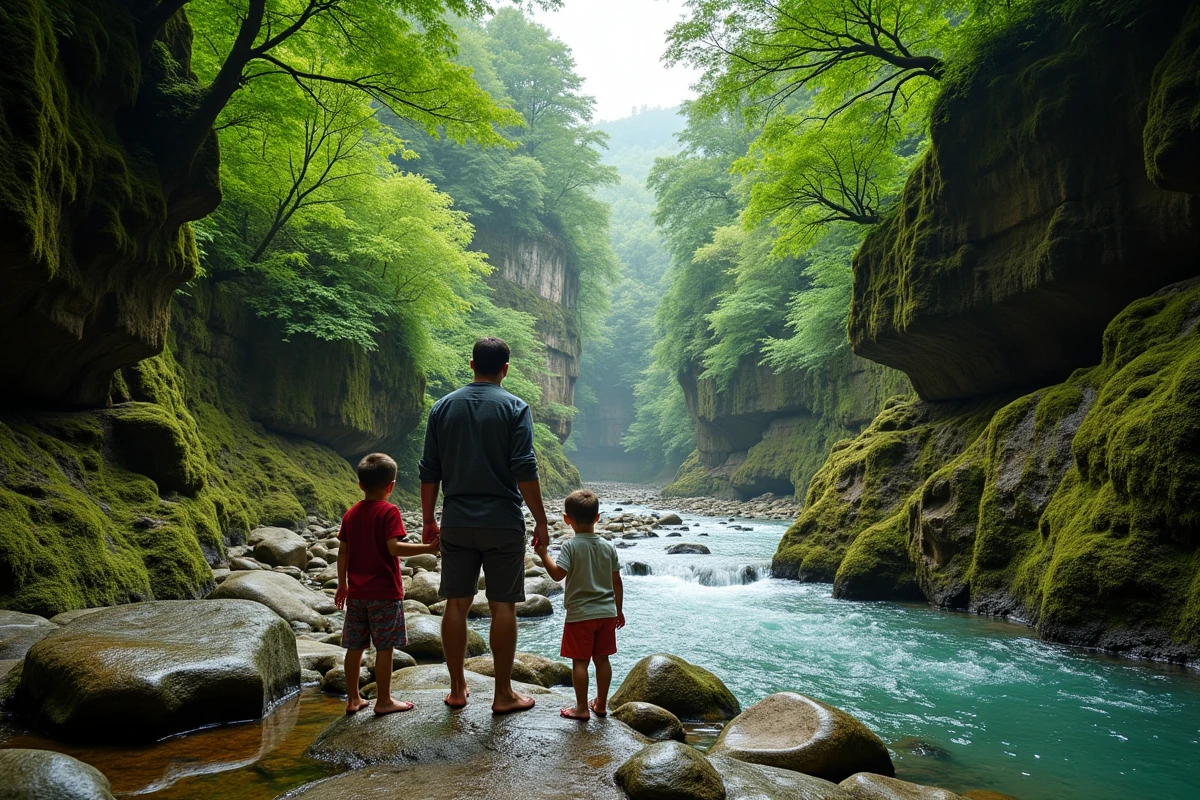
The Pas de Roland in Itxassou is well-suited for a family outing, provided you don’t improvise. The site combines narrow rocky passages, the banks of the Nive, and wooded trails that require a minimum of preparation, especially with young children or atypical sensory profiles. Here are ten concrete points to structure this visit.
1. Identify the anti-slip markings installed in late 2025
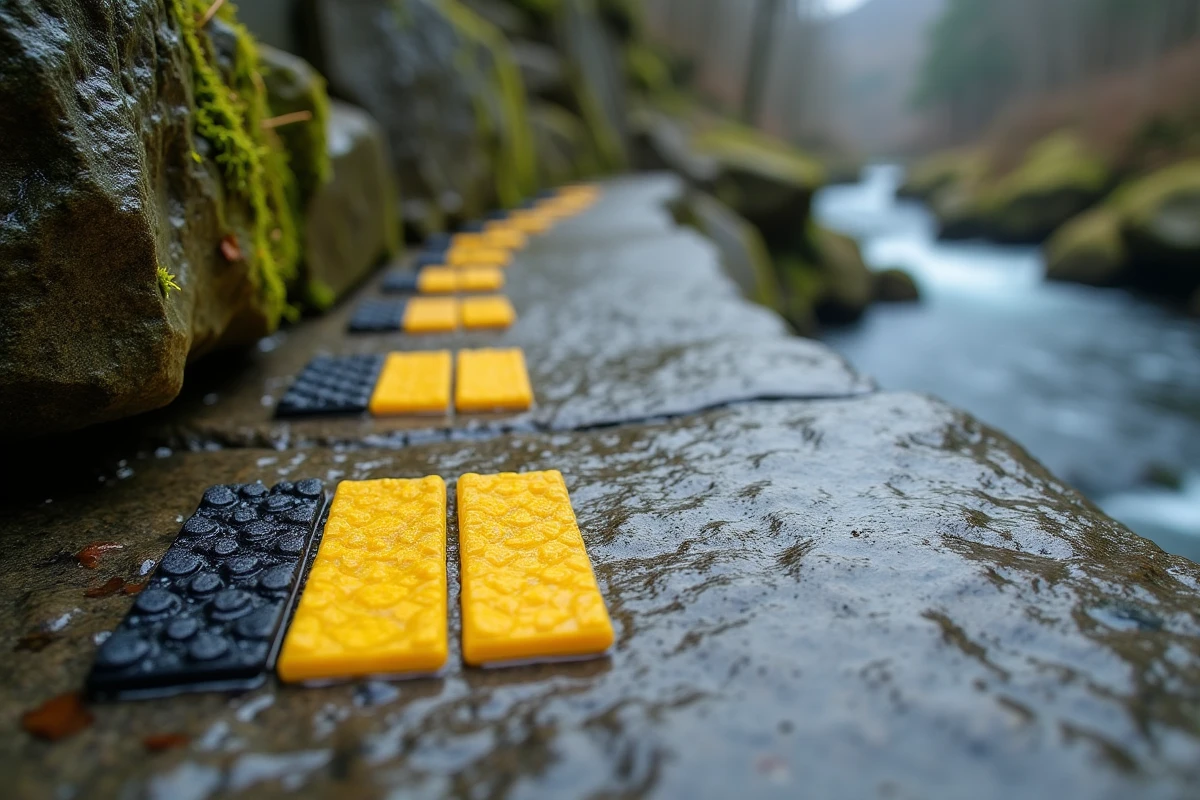
The Pas de Roland benefits from a recent enhancement of anti-slip markings, implemented in late 2025 according to the safety bulletin of the Pyrénées-Atlantiques Regional Natural Park. This system reduces the tendency for family safety incidents compared to the nearby Olhadubi gorges.
We recommend following these ground markings from the start of the trail. They indicate wet areas and spots where the rock becomes slippery after rain. With children, staying close to these markers avoids straying towards the unsecured banks of the Nive.
To complement these tips for visiting the Pas de Roland in Itxassou, be sure to check the trail conditions online before you go, especially after several days of rain.
2. Prepare a visual sequencing of the walk for neurodivergent children
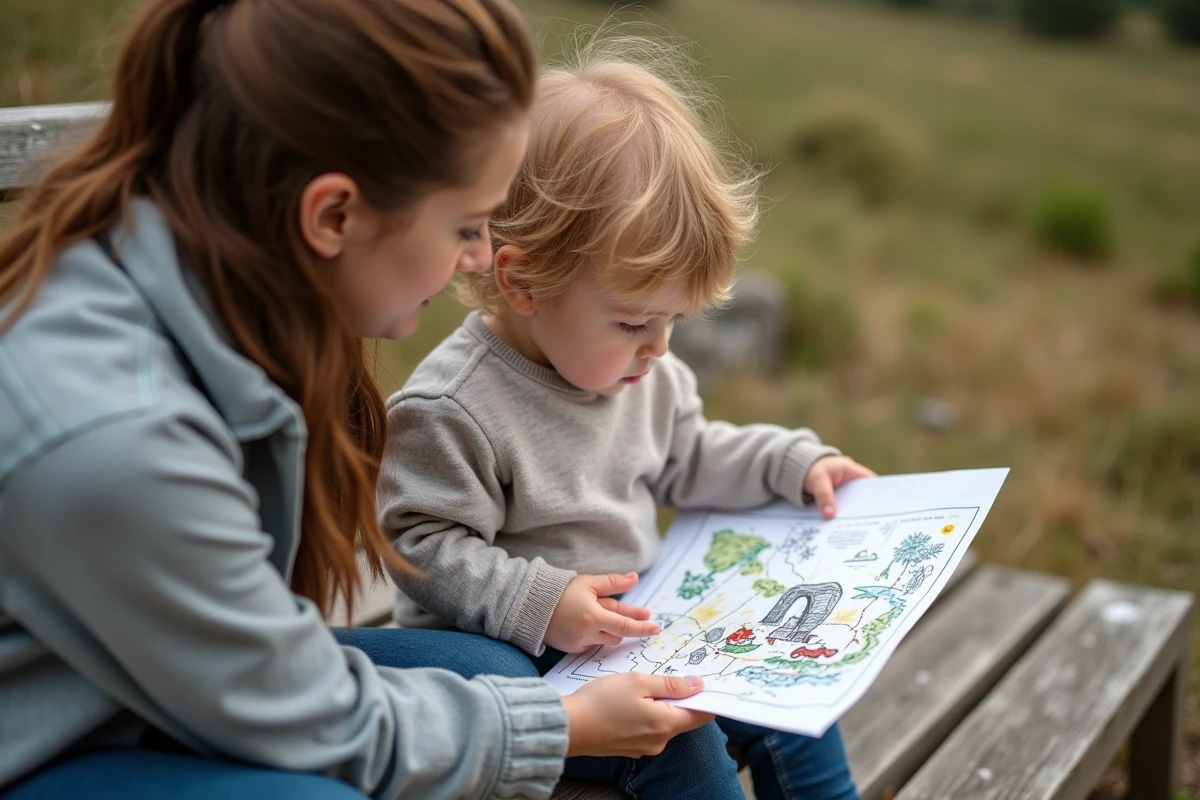
Classic guides for the Pas de Roland never mention visual anticipation. For a child with autism spectrum disorder or ADHD, discovering an unfamiliar environment without prior markers quickly generates cognitive overload.
Before the outing, we advise creating a small folder with photos of the parking lot, the path, the rocky passage, and the river, in the exact order of the route. A sequencing of five or six images is enough to reduce anticipatory anxiety. Show them the day before and once you are at the parking lot.
3. Identify three sensory pause areas along the route
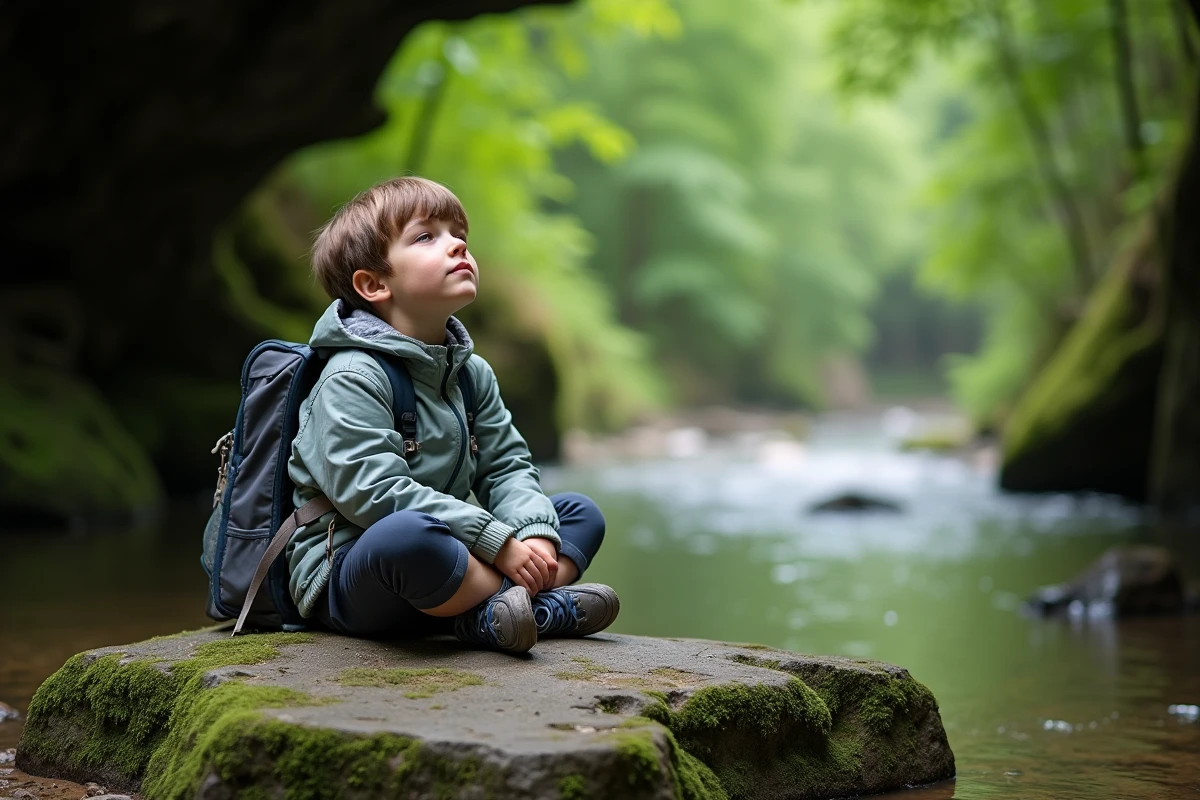
The trail between the parking lot and the Pas de Roland traverses very different sound and light atmospheres: calm underbrush, open bank with the sound of rushing water, and enclosed rocky passage. For a hypersensitive child, abrupt transitions are the main trigger for crises.
We observe three natural sensory retreat areas along the route:
- The shaded flat area a few minutes from the parking lot, where the sound of the Nive is muted by vegetation
- A widening of the trail before the rocky passage, with flat rocks that allow for sitting away from the flow of walkers
- The area downstream of the Pas de Roland, slightly set back, where the current is calmer and the lighting is less contrasted
4. Choose a time slot outside peak hours
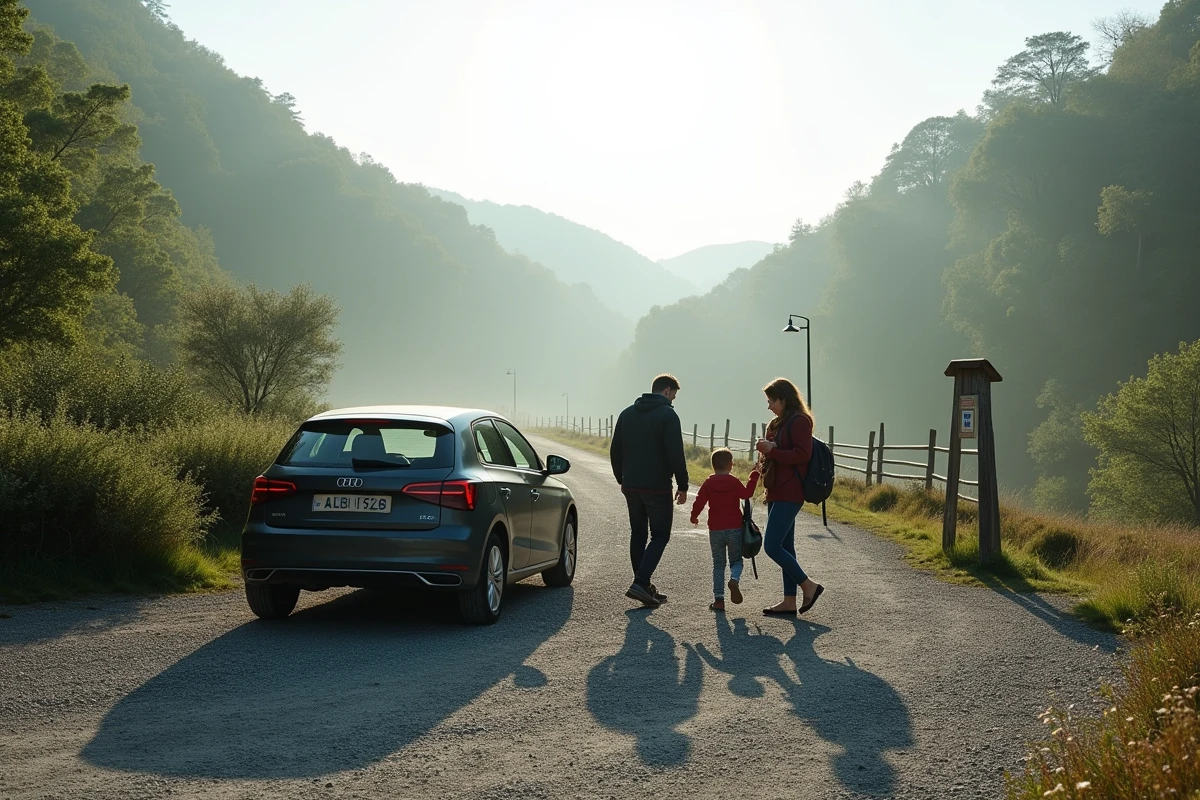
The site attracts crowds in season, especially between late morning and mid-afternoon. Arriving before nine in the morning ensures an almost deserted trail and a low sound atmosphere, two crucial factors for families with children sensitive to noise or crowds.
The time slot between eight and ten o’clock remains the most comfortable, even in summer, thanks to the shade of the cliffs that keeps a pleasant temperature during the first part of the route.
5. Wear shoes with a treaded sole, not river sandals
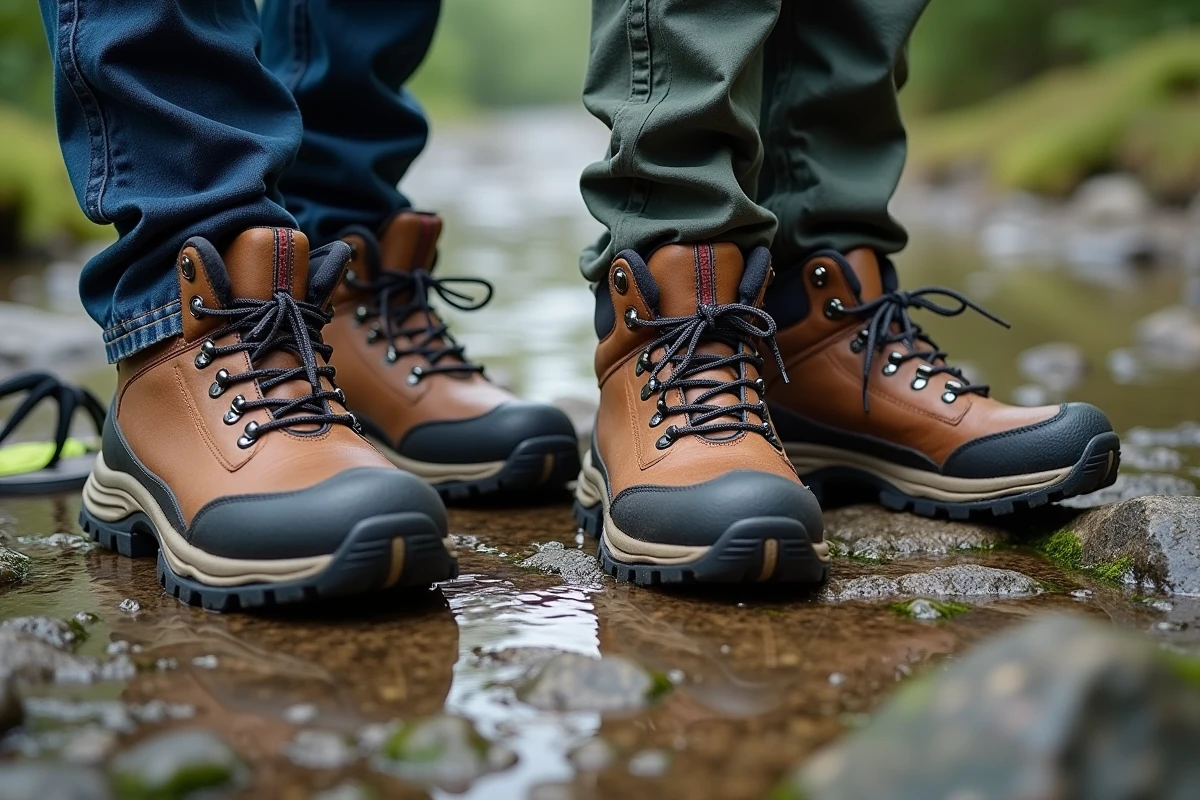
The limestone rock of the Pas de Roland becomes an ice rink as soon as it is wet. River sandals, even with a thick sole, do not provide the necessary grip on the sloped sections. Low hiking shoes with a treaded sole are suitable for the whole family, including children.
For the little ones who refuse high-top shoes, a trail running shoe with good grip remains an acceptable compromise. The key is the sole, not the upper.
6. Bring noise-canceling headphones for the enclosed rocky passage
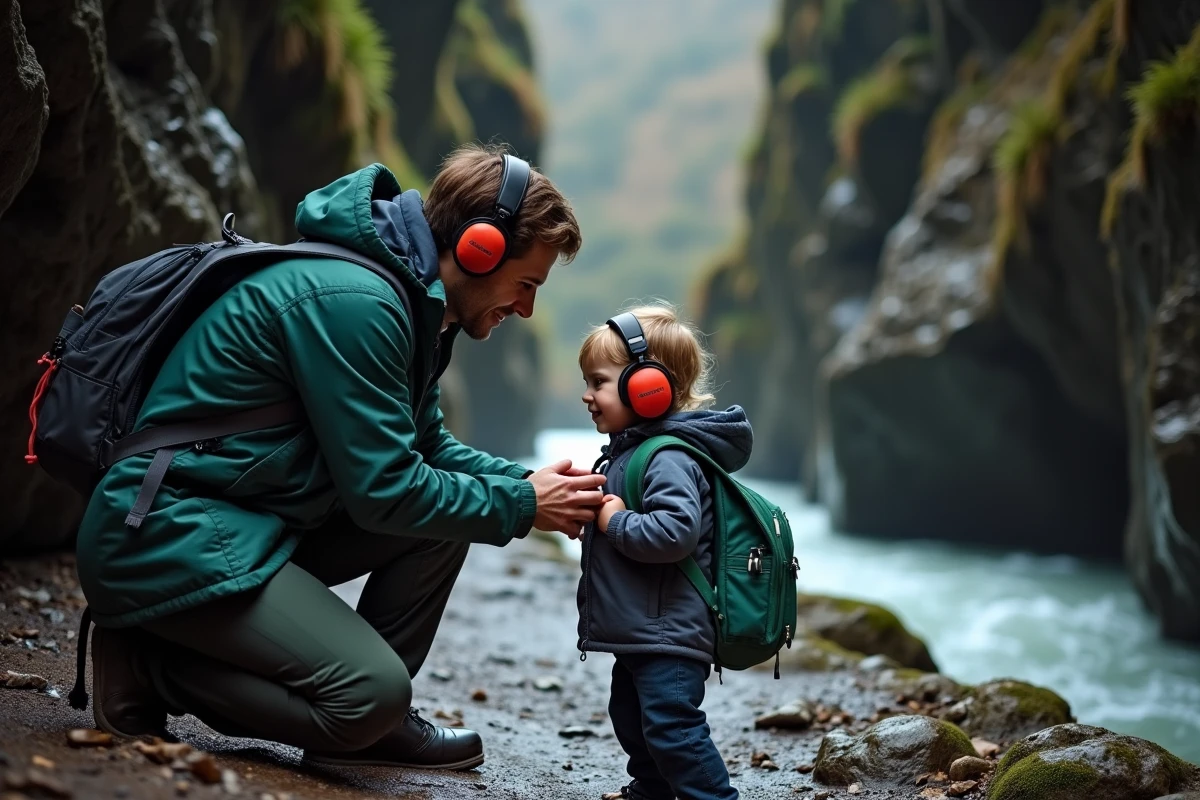
The rocky corridor of the Pas de Roland amplifies the sound of water and the voices of visitors through reverberation. This acoustic phenomenon is harmless for most adults, but it can trigger a flight response in a child with auditory hypersensitivity.
A noise-canceling headset like the Peltor Kid solves the problem in thirty seconds. We recommend offering it before entering the passage, not once the crisis has started. The child can remove it on their own when they feel ready.
7. Tell the legend of Roland as a structuring storytelling tool
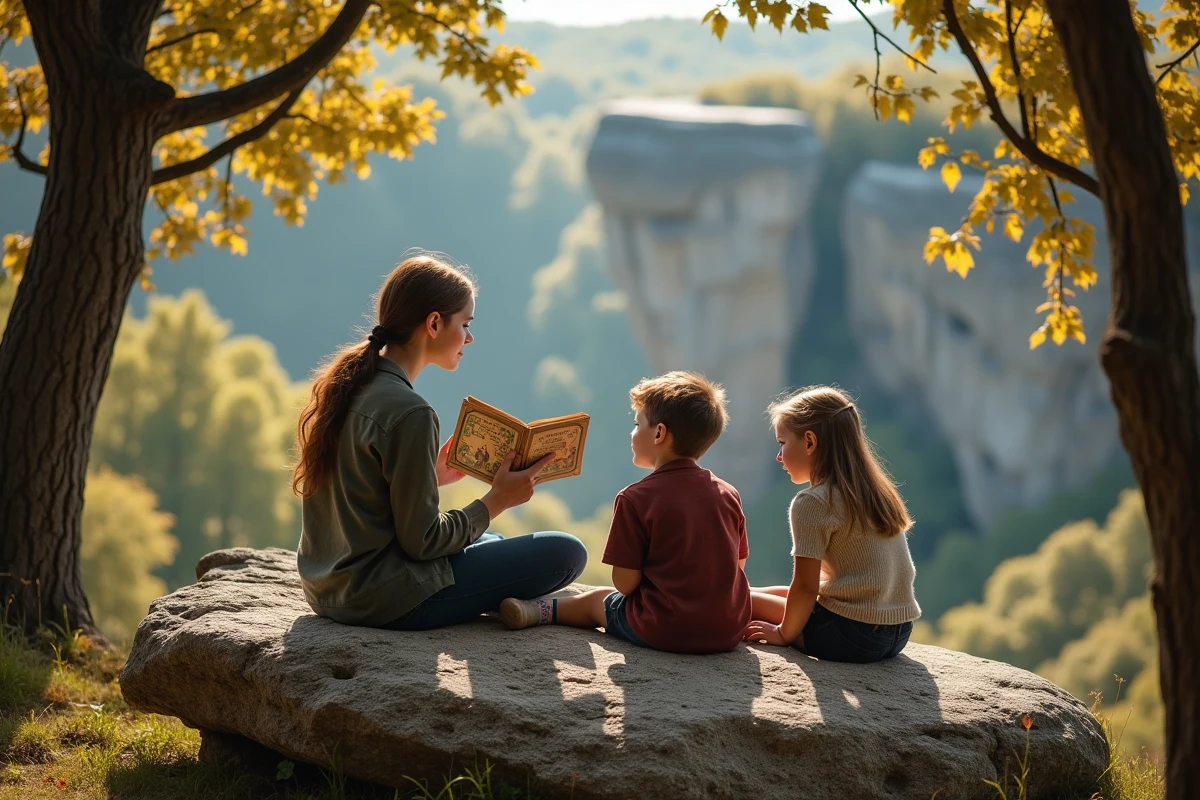
The legend tells that Roland, Charlemagne’s nephew, opened this passage with a single sword stroke (or the hoof of his horse) while heading to Roncevaux. This story serves as a narrative thread that gives meaning to the journey for children.
Transforming the walk into a narrative quest (looking for the hoof mark, spotting the split rock) maintains attention and structures time. For a neurodivergent child, a predictable scenario with a concrete goal channels energy much better than an abstract instruction like “we’re going for a walk.”
8. Plan a picnic by the Nive rather than in the village
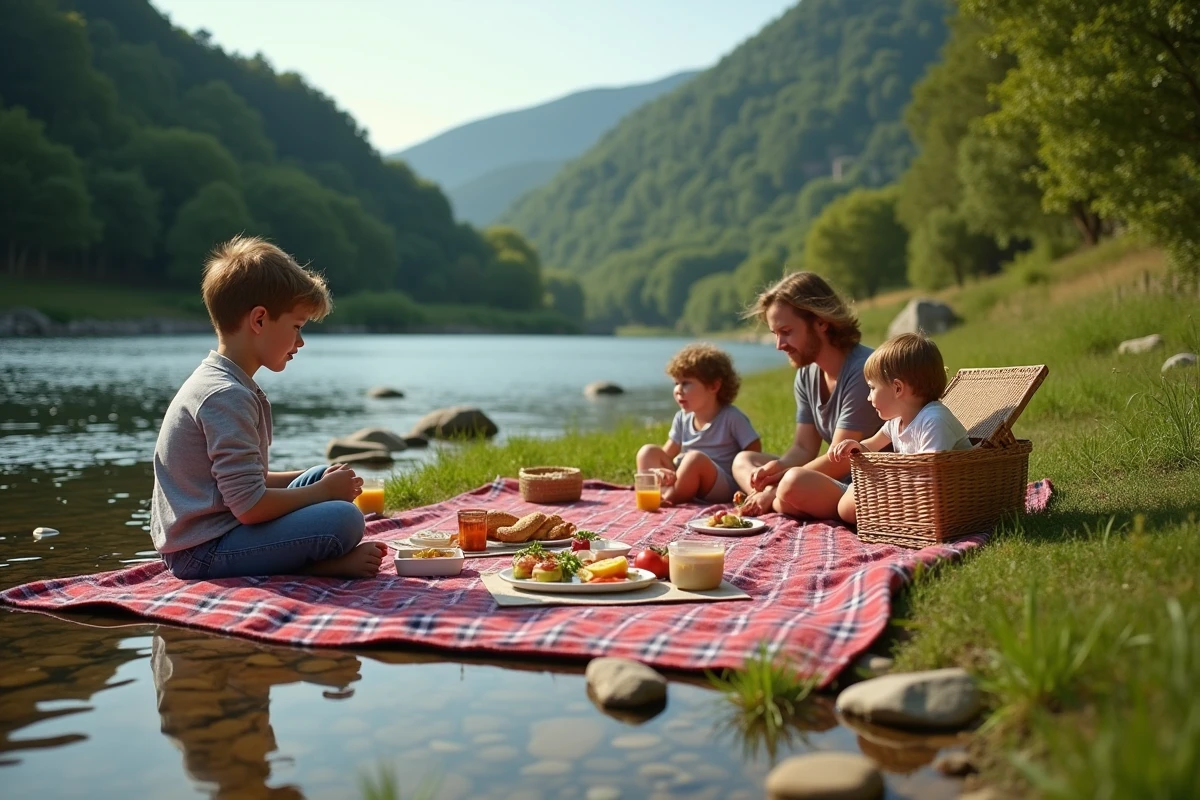
The banks downstream of the Pas de Roland offer several flat and shaded spots. Stopping there instead of going back to the village for lunch avoids a transition that breaks the rhythm of the outing. The children remain in the atmosphere of the site.
The Nive at this spot has shallow areas where children can dip their feet under supervision. This contact with cold water serves as a natural sensory regulation after the effort of walking.
9. Don’t extend to the col d’Atharri with young children
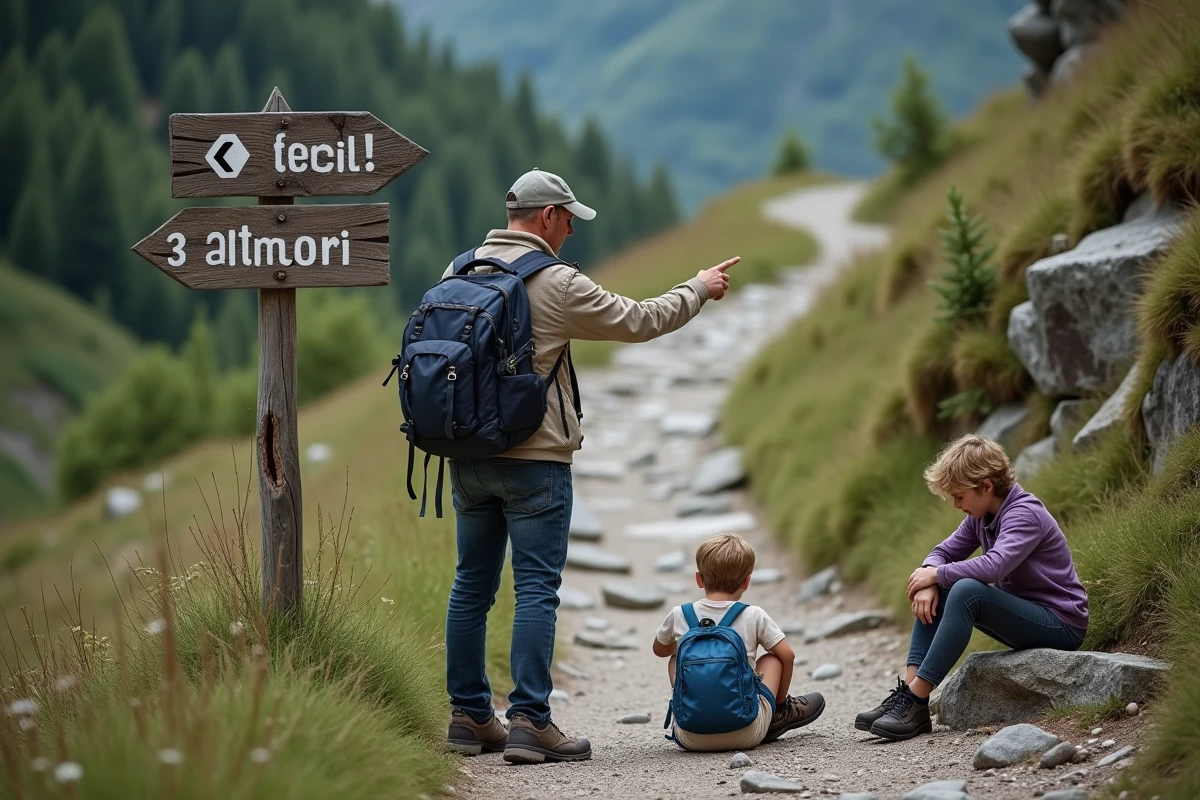
The trail that continues to the col d’Atharri represents a much more demanding route. With young children or a fatigable profile, the short loop around the Pas de Roland is more than enough for a rich half-day.
Pushing the distance produces the opposite effect of what is sought: fatigue, frustration, negative memories of the site. The accessible walk around the Pas de Roland remains the best family option.
10. Combine the visit with a discovery of the black cherry of Itxassou
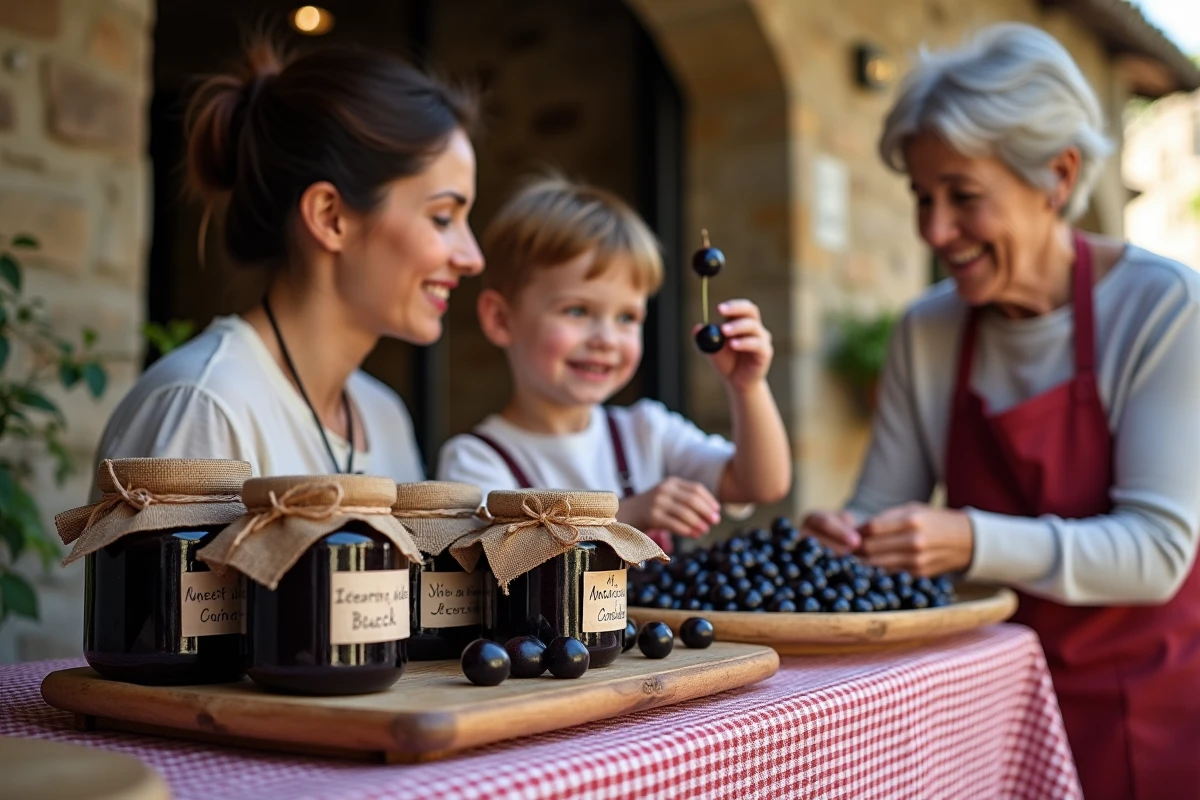
Itxassou is the village of the black cherry in the Basque Country. After the walk, stopping by the village to taste the local jam or a Basque cake with cherry provides a concrete and rewarding end to the outing.
For children, linking the visit to the Pas de Roland with a pre-identified food reward works as positive reinforcement. Naming this step during the visual sequencing the day before helps structure the entire day, from departure to return.
The Pas de Roland in Itxassou does not require great physical fitness, but it does require real logistical and sensory preparation when coming with family. The quality of the outing depends less on the distance traveled than on the ability to adapt the pace, breaks, and support tools to each child’s profile.