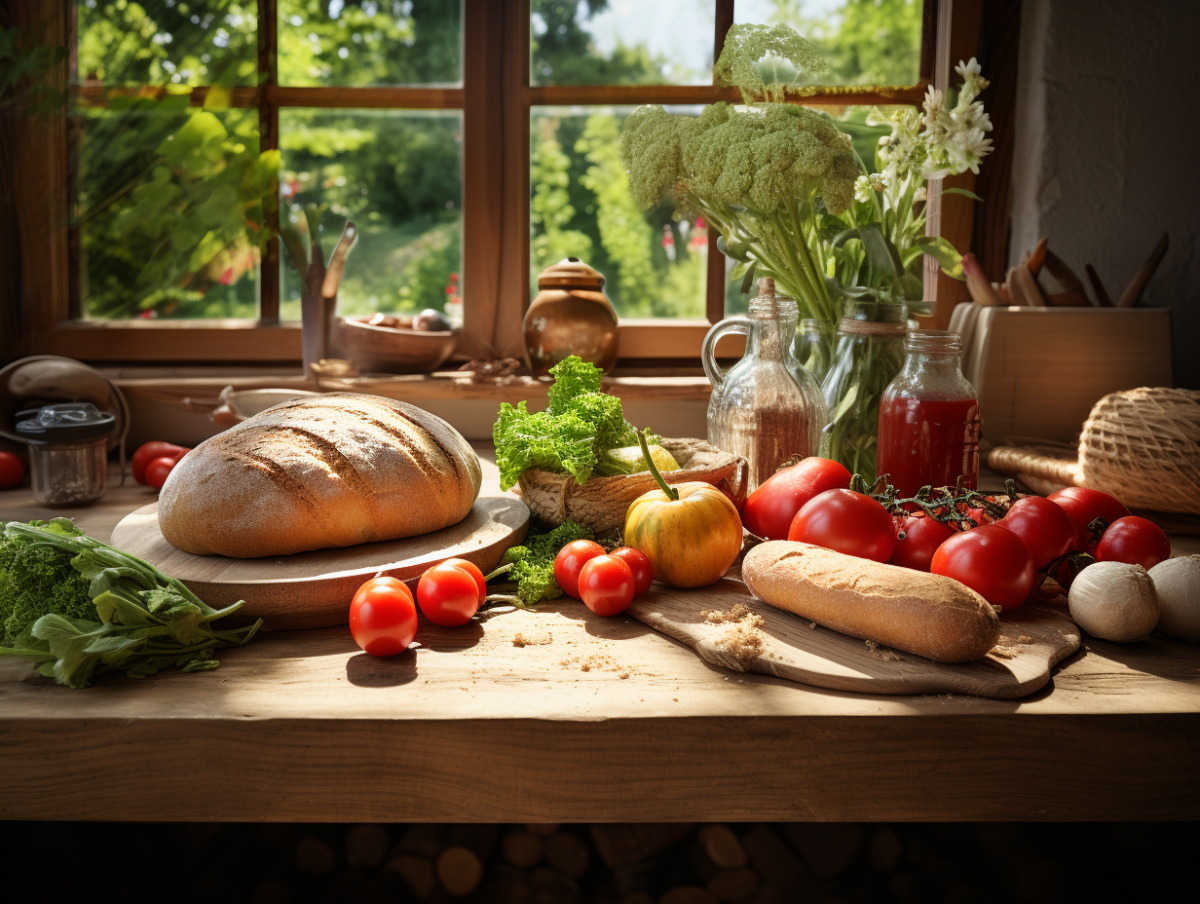
Organic cuisine has established itself well beyond a mere passing trend. It is now a lifestyle choice for many consumers concerned about their health and the environment. Favoring ingredients from organic farming, this culinary movement rejects the use of chemicals and pesticides, thus promoting well-being and the preservation of ecosystems. Followers of this diet seek transparency, quality, and authentic taste on their plates while supporting local and responsible agriculture. Organic cuisine embodies ecological awareness and a desire for a more harmonious and sustainable way of life.
Organic cuisine: beyond food, a philosophy of life
Organic cuisine transcends the simple preparation of dishes to become a true creed. It symbolizes a commitment to organic, local, and seasonal products, as well as a responsibility towards health and the environment. The AB and Eurofeuille logos certify this quest for quality and ethics, ensuring traceability and compliance with strict production standards.
In the wake of the locavore trend, consuming local products becomes a militant act. This approach supports the local economy and reduces the carbon footprint while offering unparalleled freshness. France, with its rich terroir and agricultural diversity, lends itself wonderfully to this practice. Eating organic also means valuing natural cycles by choosing seasonal products that are bursting with flavor and nutrients.
The organic sector continues to attract new consumers, despite economic upheavals. ‘Gourmandises & Bavardages’, a conversation between fine palates and environmental consciousness, echoes this dynamic. It perfectly illustrates that health remains the primary motivation for embracing organic, a sector that is decidedly growing despite the crisis.
The consumption of organic products is part of a social responsibility approach. By choosing organic foods, consumers participate in a model of production that respects the earth and its people. Each purchase becomes a vote for a more sustainable future, where organic agriculture plays a central role in preserving our natural heritage and well-being.
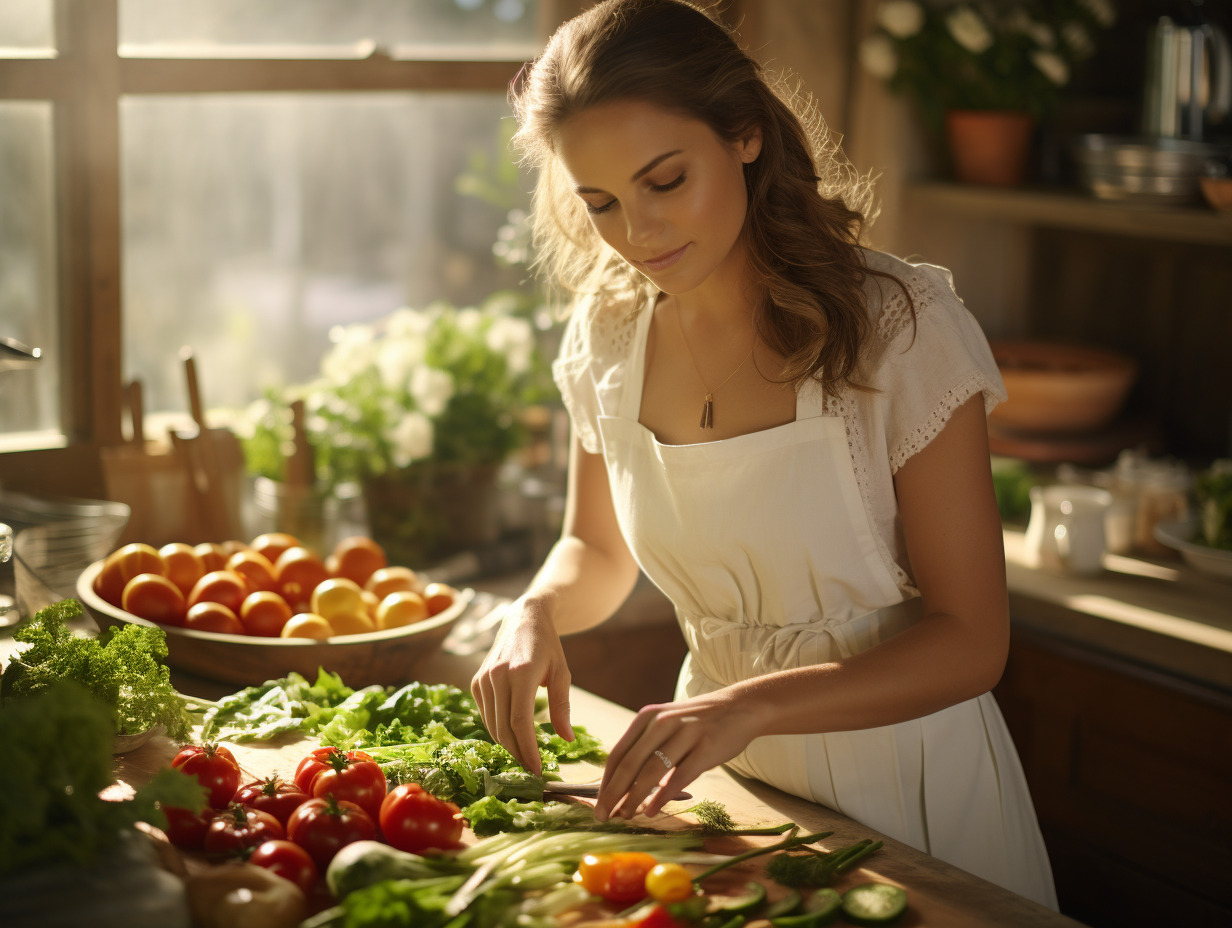
The challenges and solutions for adopting organic cuisine daily
Adopting a daily organic cuisine is not without its challenges. According to the 18th Barometer of consumption and perception of organic products in France, conducted by Spirit Insight and commissioned by Agence BIO, price remains the main obstacle. This barrier, perceived by consumers, can nevertheless be overcome through a strategic approach to purchasing. AMAP and short circuits are emerging as viable solutions, promoting direct access to quality local organic products at fairer prices.
With the Covid crisis, consumption habits have been disrupted, prompting many households to turn to home cooking. This trend, far from fading, is strengthening, allowing for better control over the ingredients used and limiting costs. Small producers and online sales have also gained popularity, offering a practical alternative for sourcing organic products without breaking the bank.
Large retail chains (GMS), aware of this evolution, are adapting their ranges to offer a wider and more accessible organic selection. They are thus becoming players in the democratization of organic, while responding to the growing demand from consumers. The offering in organic restaurants and healthy dining is also experiencing growth, highlighting consumers’ interest in healthy food options even outside the home.
The commitment of figures such as Philippe Henry, president of Agence Bio, and Laure Verdeau, its director, in promoting organic agriculture, reflects the institutional willingness to support this transition. An organic daily cuisine is therefore within reach, provided one equips themselves with knowledge, adapts to the seasons, and supports local producers. Organic is not just a dietary choice; it is a contribution to a sustainable model for society.