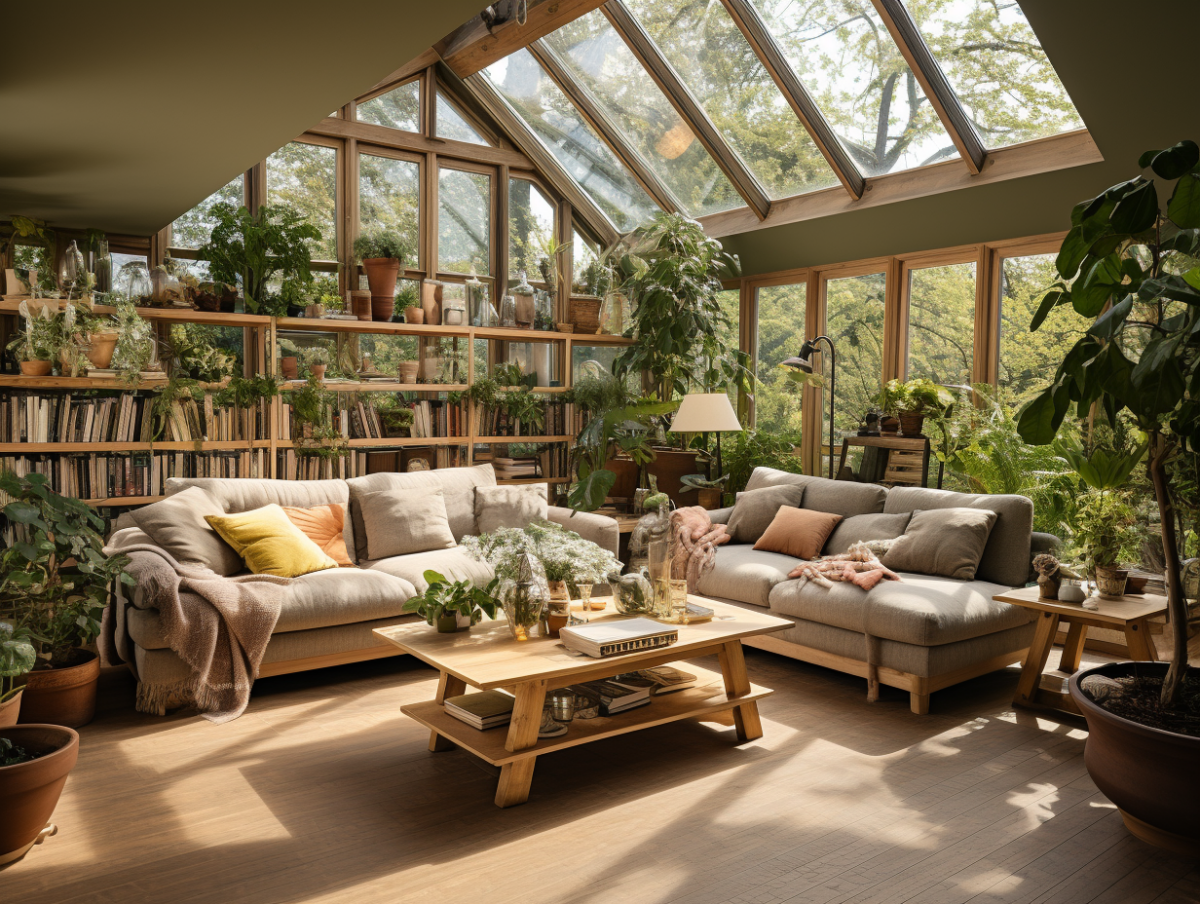
Facing environmental challenges and the constant rise in energy costs, optimizing one’s home to make it more eco-friendly and economical has become a priority for many households. Adopting sustainable practices is not only beneficial for the planet but also for the wallet. From simple gestures to large-scale renovations, the possibilities are vast. Every action, whether small or large, contributes to reducing the carbon footprint and can lead to significant savings on energy bills. Transform your living space into an environmentally friendly area with strategies designed to reconcile ecology and economy.
Optimizing Energy Efficiency and Resources
The eco-friendly home is conceived as an integrated ecosystem, where each element interacts to reduce energy consumption and associated costs. An initial step is essential: the energy audit. Conducted by a RGE (Recognized Environmental Guarantee) professional, this detailed examination of the home reveals shortcomings in energy efficiency and guides homeowners towards the most relevant improvements. Often, thermal insulation emerges as the major optimization lever, enhanced by double or triple-glazed windows. On s’appelle to consider insulation as an initial investment that will pay off in the long term, both for the environment and finances.
The heating system is another critical point. Opt for cutting-edge equipment such as condensing boilers, heat pumps, or solar panels. Pair them with central thermostats or thermostatic valves for precise temperature control, ensuring a significant reduction in energy consumption. The eco-friendly home does not forget about lighting, using LED bulbs, which are more durable and energy-efficient.
Regarding water, consider solutions like solar or thermostatic water heaters, and don’t forget rainwater collectors. These installations, while simple, achieve significant water savings. The ecological transition also involves adopting natural materials that, in addition to being aesthetic, offer a better carbon footprint. To financially support these works, inquire about the various financial aids available: zero-interest eco-loans, grants from Anah, or aids from Adème. These programs alleviate the cost of eco-friendly renovations and accelerate the return on investment.
Adopting Sustainable Practices in Daily Life
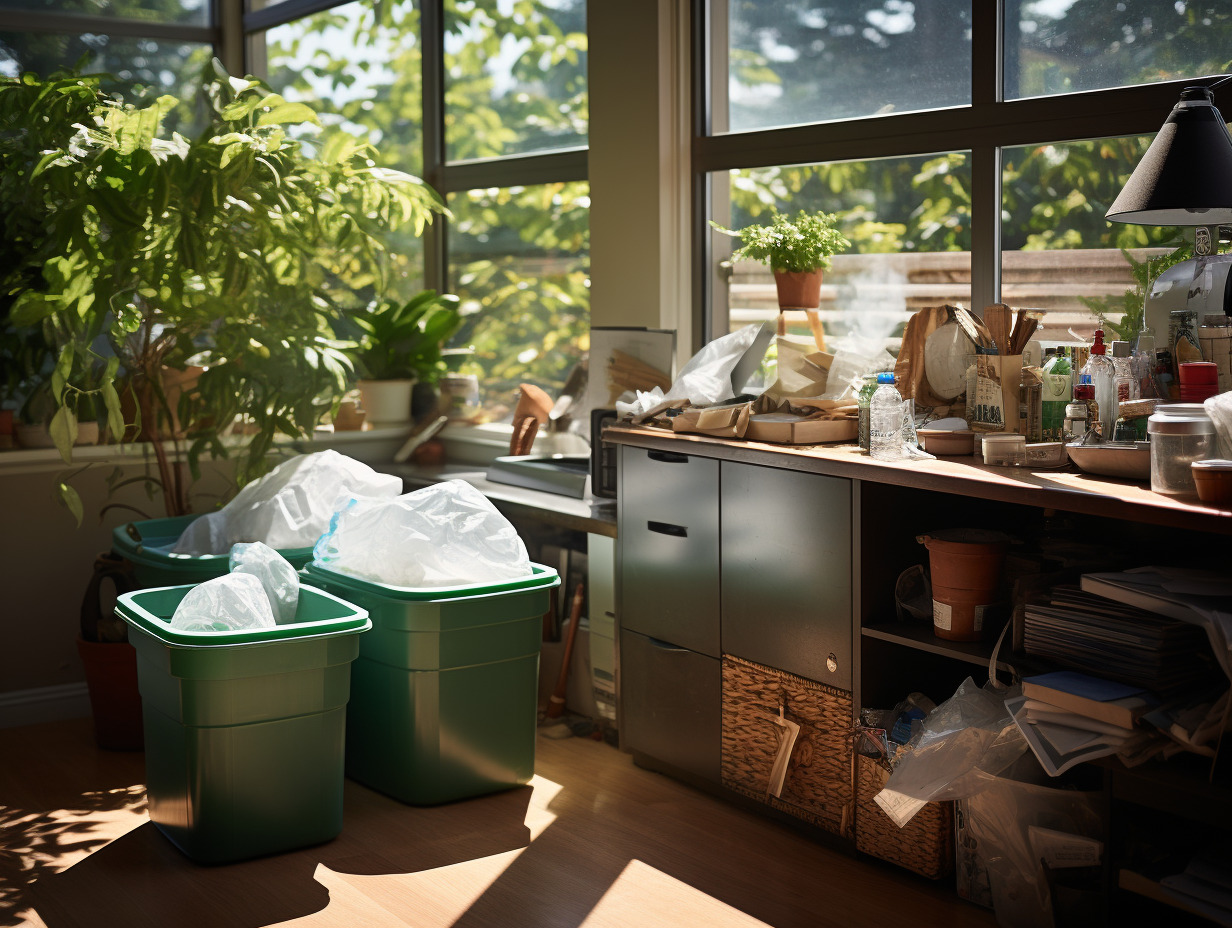
Eco-actions, these small daily actions, are a cornerstone of the eco-friendly habitat. Integrate them into your routine for a responsible consumption and a tangible reduction of your environmental impact. To save water, rainwater collectors prove to be valuable allies, just like solar or thermostatic water heaters. Once installed, these devices require little maintenance and greatly contribute to the water savings of the home. Also, remember to turn off the tap while brushing your teeth and to favor short showers.
The energy sector is no exception. Renewable energies are in the spotlight in households concerned about their carbon footprint. Choose green energy suppliers or, if possible, install your own solar panels to become a producer of your consumption. Energy-efficient appliances and unplugging devices in standby mode also help reduce electricity consumption.
The use of sustainable materials in your renovation or interior decoration projects supports the ecological transition by reducing the demand for products derived from non-renewable resources. Choose eco-friendly paints, certified wood furniture, and natural or recycled fabrics. These choices, in addition to being aesthetic, reinforce your home’s environmental commitment. The eco-friendly habitat is not just about technologies and equipment: it’s a lifestyle where every gesture counts.